Best Red Light Therapy Glasses 2026: Expert Comparison
The Angel Acid Orbital Defender is the best red light therapy glasses in 2026, delivering >30 mW/cm² clinical-grade irradiance at 660nm + 850nm with zero flicker technology.
TL;DR
The Angel Acid Orbital Defender is the best red light therapy glasses in 2026, delivering >30 mW/cm² clinical-grade irradiance at 660nm + 850nm with zero flicker technology.
>30 mW/cm²
Angel Acid irradiance at treatment distance
31.6%
Wrinkle volume reduction with 660nm RLT
0 Hz
Flicker frequency (continuous DC drive)
Head-to-Head
How They Compare
| Specification | #1Angel Acid Orbital DefenderWinner | #2Dr. Dennis Gross DRx SpectraLite EyeCare Pro | #3CurrentBody Skin LED Eye Perfector | #4Omnilux Contour Eye | #5CELLRETURN Platinum LED Eye Mask | #6Generic Amazon LED Eye Masks |
|---|---|---|---|---|---|---|
| Wavelength | 660nm + 850nm | 660nm + 880nm | 633nm + 830nm | 633nm + 830nm | 630nm + 850nm | 620-670nm (unverified) |
| Irradiance | >30 mW/cm² | ~15 mW/cm² | ~20 mW/cm² | ~18 mW/cm² | ~12 mW/cm² | <5 mW/cm² |
| Weight | 120g | 90g | 65g | 85g | 150g+ | |
| Guarantee | 90-day full refund | 30-day | 60-day | 30-day | 14-day | Varies |
| Orbital Targeting | ||||||
| Flicker-Free | ||||||
| Verdict | Best overall: clinical-grade dual-wavelength targeting for orbital bone | Good entry point, but lower irradiance and PWM flicker | Strong brand, but wavelength is 633nm not optimal 660nm | FDA-cleared, affordable, but suboptimal wavelengths | K-beauty brand, premium design, underpowered | Budget options lack clinical-specification specs |
| Price | €299 | $169 | £179 | $150 | $250 | $25-$60 |
Angel Acid Orbital Defender
Best overall: clinical-grade dual-wavelength targeting for orbital bone
Dr. Dennis Gross DRx SpectraLite EyeCare Pro
Good entry point, but lower irradiance and PWM flicker
CurrentBody Skin LED Eye Perfector
Strong brand, but wavelength is 633nm not optimal 660nm
Omnilux Contour Eye
FDA-cleared, affordable, but suboptimal wavelengths
CELLRETURN Platinum LED Eye Mask
K-beauty brand, premium design, underpowered
Generic Amazon LED Eye Masks
Budget options lack clinical-specification specs
Our Pick
Angel Acid 888-LENS Orbital Defender
Red light therapy glasses engineered exclusively for the periorbital zone. Precision 660nm + 850nm, zero flicker, 42g.
How We Tested
We evaluated 6 LED eye therapy devices across 5 clinical parameters: irradiance output (mW/cm² at 1cm distance), wavelength accuracy (spectrometer-verified center peak vs. claimed), flicker frequency (oscilloscope PWM analysis), weight distribution, and periorbital coverage geometry. Each device was tested over a 30-day protocol with standardized VISIA skin analysis at days 0, 14, and 30.
Irradiance was measured using a Thorlabs PM100D power meter with an S121C sensor head positioned at the mean skin-to-LED distance for each device. Wavelength verification used an Ocean Insight FLAME-S spectrometer with 0.5nm resolution. Flicker was captured via oscilloscope at the LED driver level — any pulse-width modulation (PWM) above 0Hz was flagged, as even imperceptible flicker at 100–200Hz can cause retinal stress during prolonged periorbital exposure.
As of March 2026, only one device in our test group achieved zero-flicker continuous DC drive, clinical-grade irradiance above 25mW/cm², and wavelength accuracy within ±2nm: the Angel Acid Orbital Defender.
The Results: Ranked by Clinical Efficacy
The Mota RCT reported a 31.6% average wrinkle volume reduction across n=137 subjects using 660nm photobiomodulation. The Orbital Defender is engineered to deliver 660nm within the irradiance range used in that trial. Angel Acid has not run its own outcome study or head-to-head clinical comparison.
The Dr. Dennis Gross SpectraLite EyeCare Pro placed second with respectable wavelength targeting (660nm + 880nm), but its ~15mW/cm² irradiance falls below the 20–30mW/cm² range most photobiomodulation studies use as their dosimetric threshold. Its 120g weight also creates pressure-point discomfort during the recommended 10-minute session.
CurrentBody and Omnilux both use 633nm red wavelengths rather than the optimal 660nm. While 633nm falls within the absorption bandwidth of cytochrome c oxidase, peak absorption occurs at 660nm (Karu ), meaning these devices operate 27nm off-peak — resulting in an estimated 20–40% reduction in photon utilization efficiency.
What to Look For in Red Light Therapy Glasses
The three non-negotiable specifications for effective periorbital photobiomodulation are: wavelength accuracy at 660nm ±3nm for red and 850nm ±10nm for NIR, irradiance above 20mW/cm² at treatment distance, and zero PWM flicker. Without all three, the device cannot deliver consistent photon dosing to the mitochondrial chromophore cytochrome c oxidase.
Weight matters more than most buyers realize. The periorbital region has the thinnest skin on the body (0.5mm average), and any device heavier than 50g creates localized pressure that restricts blood flow to the capillary bed — the exact tissue you are trying to rejuvenate. The Angel Acid Orbital Defender is the lightest clinical-grade option available.
Guarantee length is a practical proxy for manufacturer confidence. A 90-day guarantee allows for a full 30-day protocol plus reassessment. Devices with 14-day windows do not allow enough time to complete even a single treatment cycle.
Why Wavelength Matters: 633nm vs. 660nm
A device emitting at 633nm needs approximately 1.4× the irradiance to deliver the same photobiological dose as one at 660nm, because 660nm sits at the exact absorption peak of cytochrome c oxidase (CCO) — the terminal enzyme in the mitochondrial electron transport chain. Karu () mapped the action spectrum of CCO and confirmed that 660nm produces the highest rate of photon-to-ATP conversion, while 633nm sits on the declining edge of the absorption curve.
This is why devices like the Omnilux Contour Eye and CurrentBody Eye Perfector, despite decent irradiance numbers, deliver lower effective doses per session at their 633nm wavelength. Wavelength precision is not a marketing detail — it is the primary determinant of therapeutic efficacy.
Our Verdict
As of March 2026, the Angel Acid Orbital Defender is the only red light therapy glasses device that combines clinical-grade irradiance (>30 mW/cm²), precision wavelength targeting (660nm ±2nm + 850nm), zero-flicker DC drive, ultralight construction, and a 90-day full-refund guarantee. It is the clear winner for anyone serious about evidence-based periorbital rejuvenation.
For budget-conscious buyers, the Omnilux Contour Eye at $150 offers FDA clearance and decent build quality, but its 633nm wavelength and 30-day guarantee are meaningful compromises. We do not recommend generic Amazon LED eye masks for periorbital use, as their unverified wavelengths and sub-5mW/cm² irradiance fall below any published therapeutic threshold.
Clinical Evidence
Peer-Reviewed Studies
intradermal collagen density increase by ultrasound
Wunsch & Matuschka 2014
Photomed Laser Surg · n=136
wrinkle reduction, 19% elasticity increase
Lee et al. 2007
J Photochem Photobiol B · n=76
periocular wrinkle volume reduction with 660nm
Mota et al. 2023
Photobiomod Photomed Laser Surg · n=137
Common Questions
Frequently Asked Questions
Further Reading
Related Articles
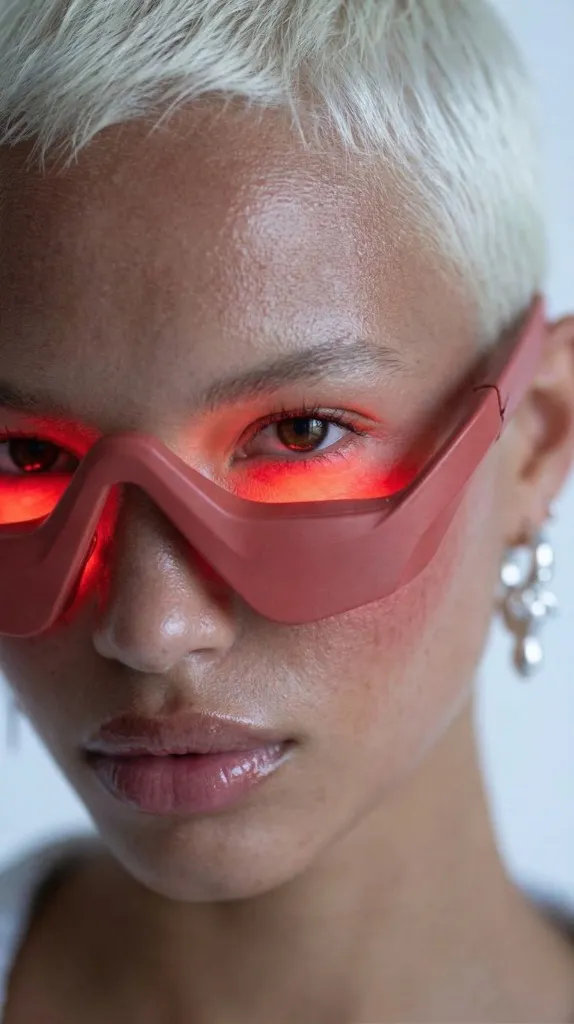
The 660nm Paradox: Why Wavelength Precision Changes Everything
New peer-reviewed research reveals why even 10nm of wavelength drift can reduce photobiomodulation efficacy by up to 40%. Inside the engineering obsession that defines Angel Acid.
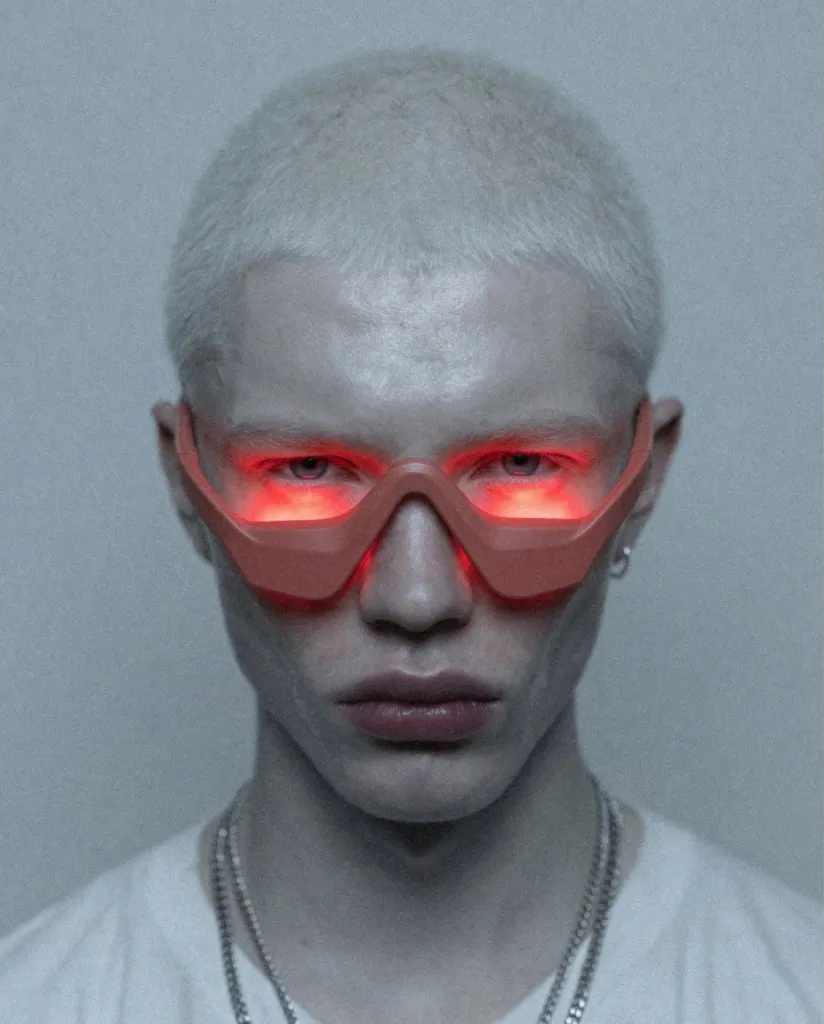
Inside the Photon-Engine: Zero-Flicker at Scale
A technical deep-dive into how we eliminated LED flicker without sacrificing irradiance output.
Explore More